

The collision itself only takes a few seconds. What happens next, getting the car off the road and to where it needs to go, matters just as much.
TL;DR: Damaged vehicle towing isn’t the same as towing a car with a dead battery. A vehicle that’s been in a collision or rolled off the road needs careful assessment before it’s moved. Safe vehicle transportation protects what’s left of the car from further damage, and a proper vehicle recovery service knows the difference between a quick flatbed load and a situation that needs winching or extra care. Getting this part right affects your insurance claim and your repair costs.
A lot of drivers assume any tow truck can handle any situation. That’s not quite true. A damaged vehicle, especially after an accident, needs a different approach than a car that simply won’t start.
This guide covers what changes when a vehicle is damaged, what proper recovery looks like, and what to check before letting a company load your car.
Why Damaged Vehicles Need Special Handling
A vehicle that’s been in a collision often has issues that aren’t obvious at first glance. A bent frame, a leaking fluid line, or a wheel that’s no longer aligned can all affect how safely the car can be moved.
Loading a damaged vehicle the wrong way can make things worse. Dragging a car with a locked wheel, for example, can damage the tire, the brake system, or the suspension further. This is why damaged vehicle towing isn’t just about getting the car off the road, it’s about not causing more harm on the way to the shop.
Insurance adjusters also look closely at how a vehicle was transported after a collision. Improper handling can complicate a claim if new damage shows up that wasn’t part of the original incident.
What Safe Vehicle Transportation Actually Involves
Safe vehicle transportation starts with an assessment, not a hook. A trained driver checks the vehicle’s condition before deciding how to load it.
If the wheels turn freely and the frame is intact, a flatbed is usually enough. If a wheel is locked, bent, or missing, the vehicle needs to be loaded in a way that avoids putting weight on the damaged area, sometimes with dollies or additional securing straps.
The goal is simple: the vehicle should arrive at its destination in the same condition it was in when it was loaded, nothing added, nothing worse.
Common Scenarios Requiring Vehicle Recovery Services
Collision scenes. A fender bender on Crowchild Trail or a more serious crash on Stoney Trail both need a driver who can assess damage before loading.
Ditch recovery. A car that’s slid off the road during a Calgary snowstorm often needs winching before it can even be loaded onto a flatbed.
Rollovers. These require careful handling since the vehicle’s structure may be compromised in ways that aren’t visible from the outside.
Parking garage damage. A vehicle scraped or stuck in a tight underground space needs a driver who knows how to maneuver without causing more contact damage.
Each of these falls under vehicle recovery services, distinct from a routine tow for a mechanical issue.
How the Towing Process Works Step by Step
The call starts the same way as any tow, location, vehicle details, and a description of what happened.
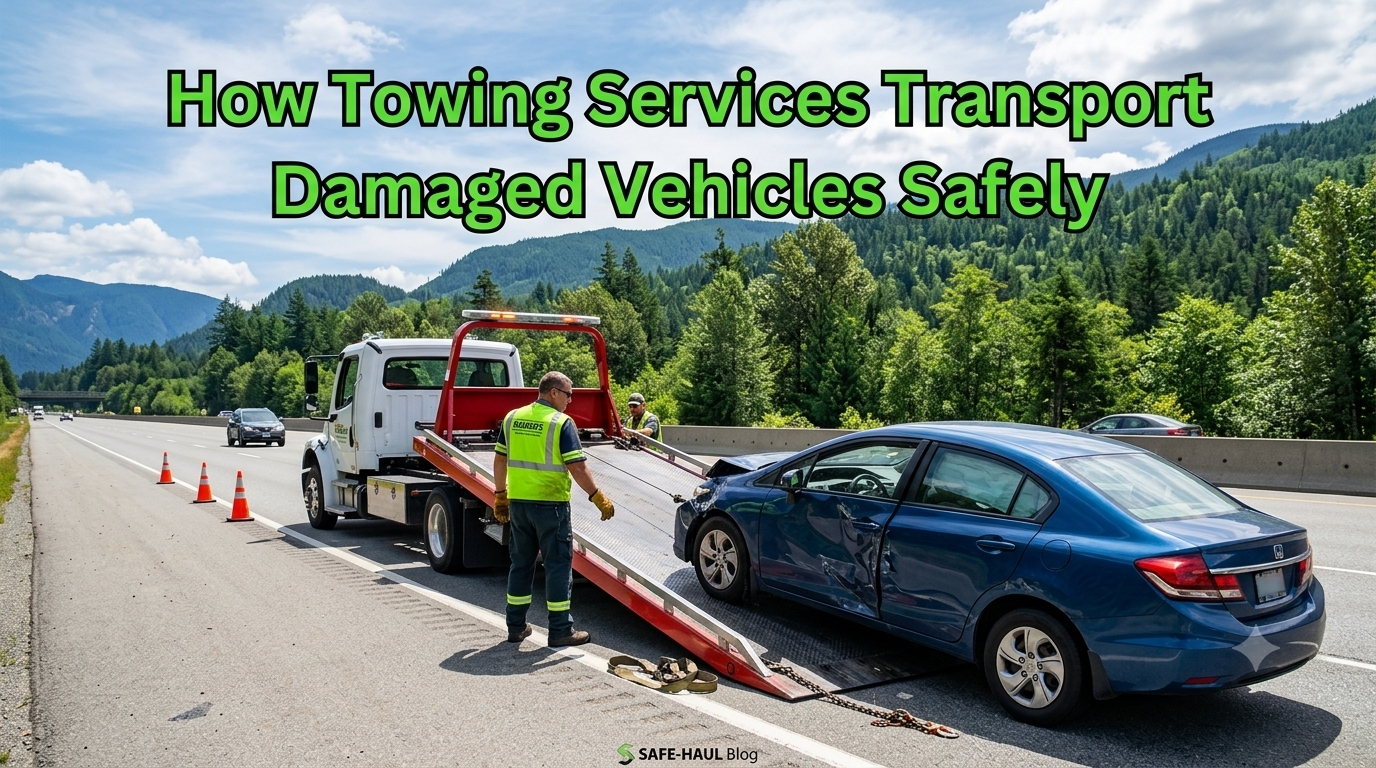
For a damaged vehicle, the driver’s first job on arrival is assessment, not loading. They check for fluid leaks, look at wheel alignment, and confirm whether the vehicle can be pulled straight onto a flatbed or needs additional support first.
Once loaded, straps and wheel chocks keep the vehicle secure for the ride. 247 Tow Calgary coordinates with authorities when needed, particularly at collision scenes where police or insurance documentation is part of the process.
Equipment That Makes a Difference
Not every situation calls for the same setup.
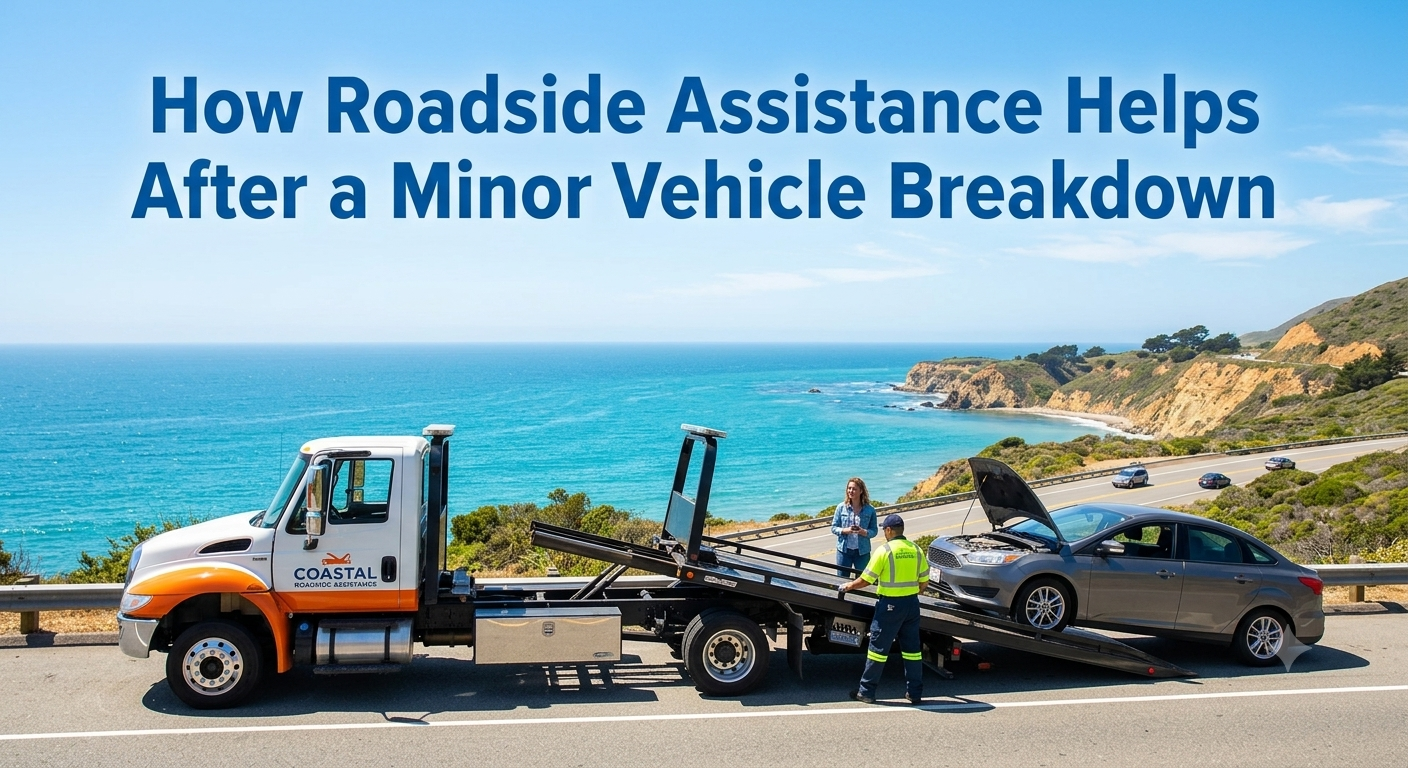
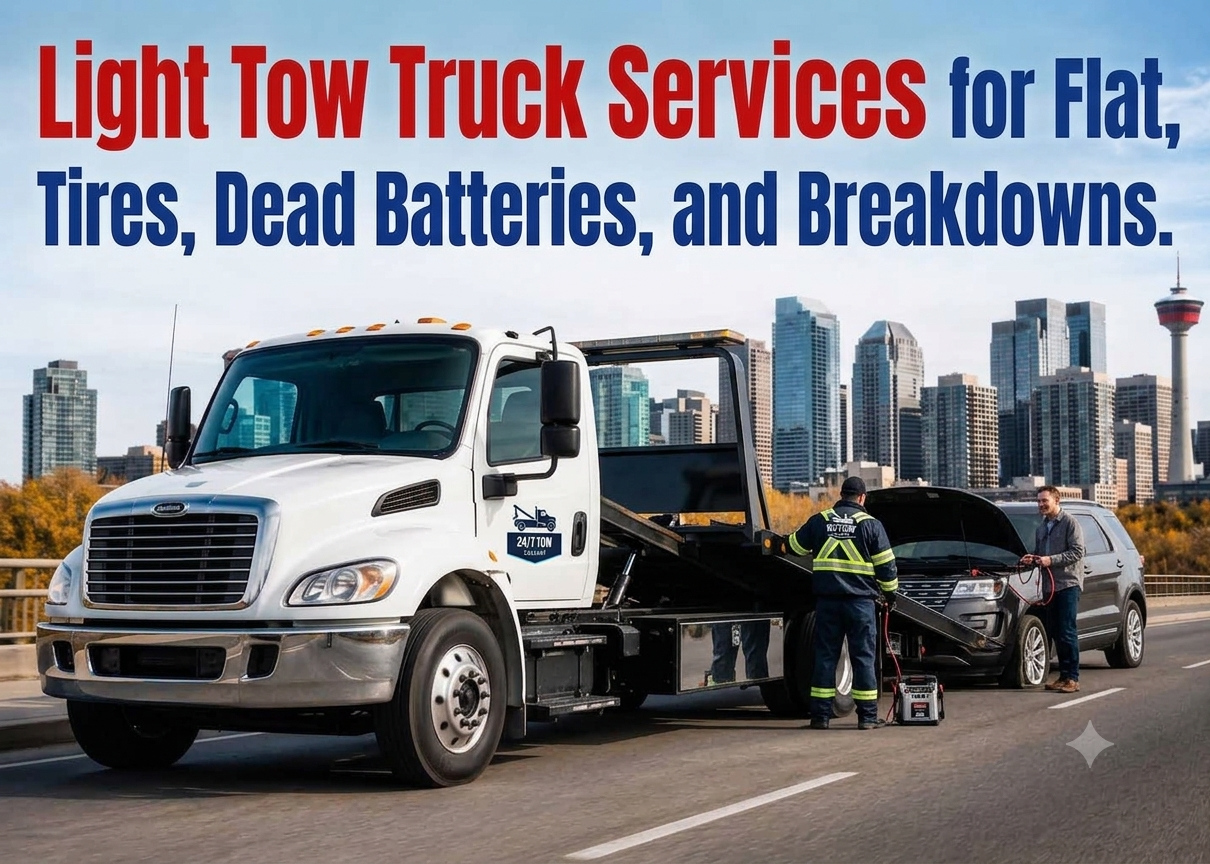
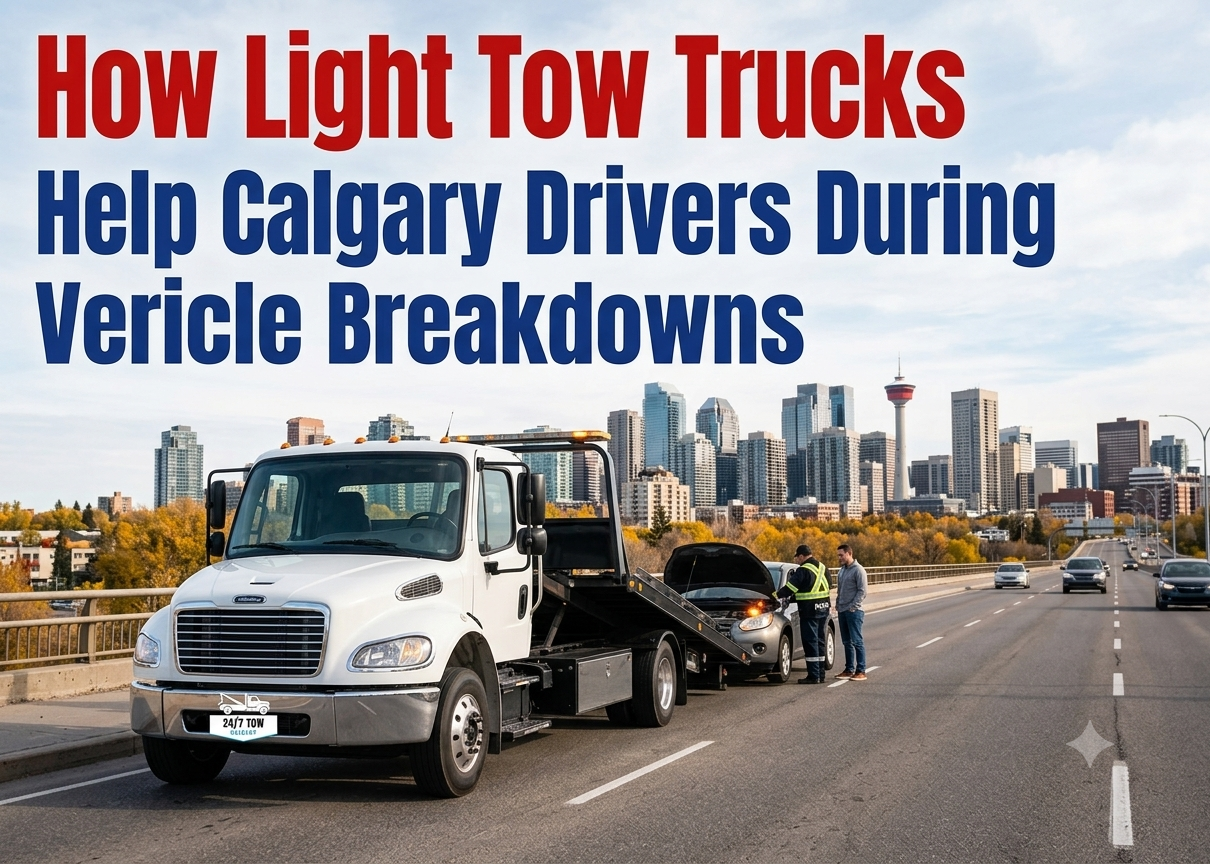
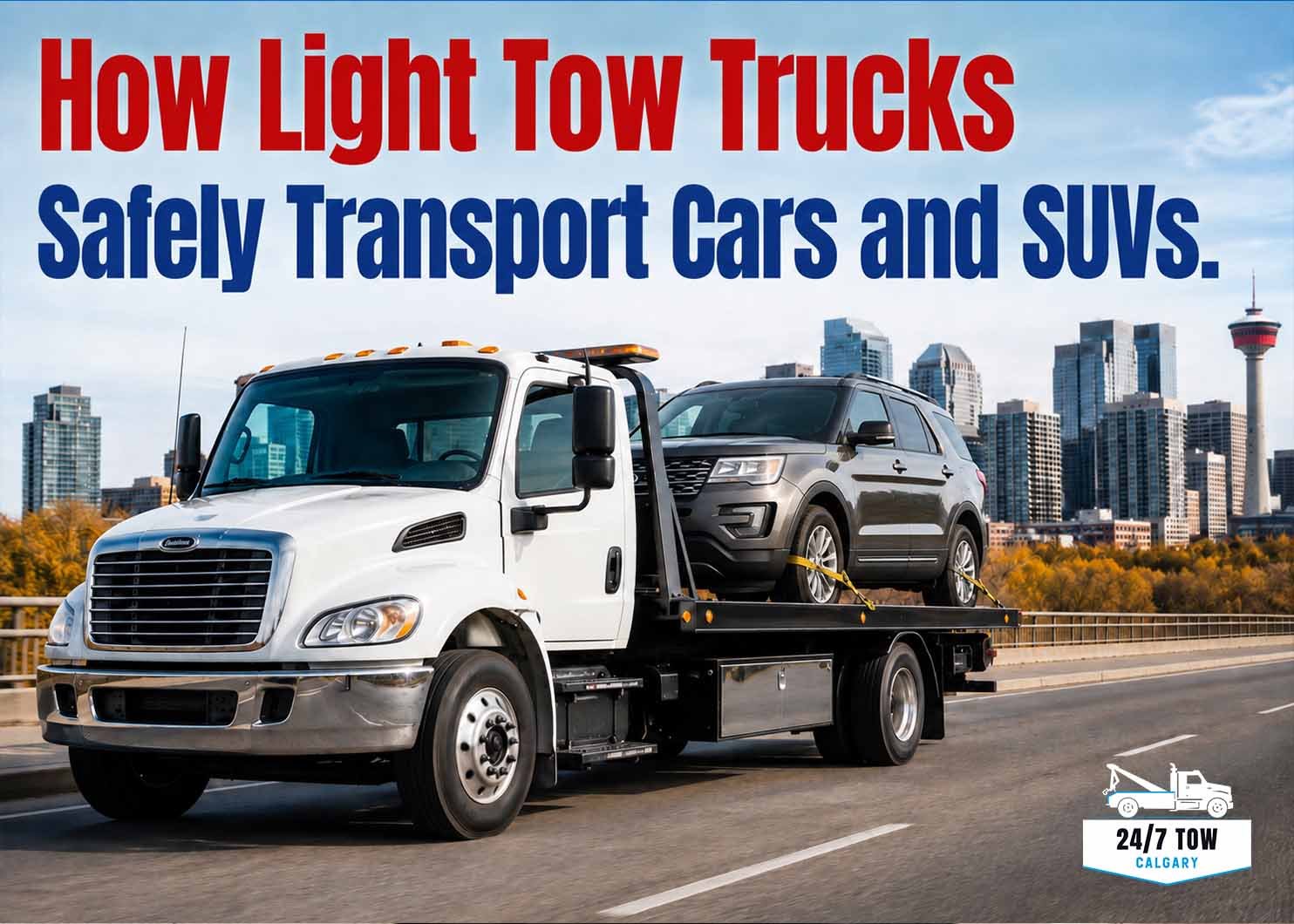
Flatbeds protect the vehicle fully, keeping all four wheels off the ground, ideal for most damaged car towing services.
Winches pull vehicles out of ditches, snowbanks, or off-road spots before they can be loaded.
Wheel dollies support a damaged or locked wheel without adding stress to the axle.
Straps and chocks keep the vehicle from shifting during transport, especially important on Calgary’s uneven winter roads.
Having the right equipment on hand, rather than improvising, is what separates a careful recovery from a rushed one.
What to Look for in a Damaged Car Towing Service
A few things matter more when the vehicle involved is already damaged.
Experience with accident recovery. Ask directly if the company handles collision scenes, not just routine breakdowns.
Proper equipment. Confirm they have access to winches, dollies, and flatbeds, not just a standard wheel lift truck.
Coordination with authorities. At a collision scene, the company should know how to work alongside police without adding delays.
Licensed and insured drivers. This protects you if any new damage occurs during the tow itself.
Clear communication. You should know where your vehicle is going and why, especially if it needs to go to an insurance approved shop.
For more on how this works, see Accident Recovery Services and Specialty Vehicle Towing for less common recovery situations.
Cost and Insurance Considerations
Damaged vehicle towing can cost more than a routine tow, especially if winching or extra equipment is involved. Distance to the shop, time of day, and the complexity of the recovery all factor into the price.
Most insurance policies cover towing after an accident, but it helps to confirm this before the truck arrives. Ask the towing company for documentation of the job, since this often gets requested during a claim.
Always get a quote before work begins, and ask whether the price includes any winching or extra handling if the vehicle is in a ditch or hard to reach spot.
FAQ
Will towing my damaged car cause more damage?
Not if handled correctly. A trained driver assesses the vehicle first and chooses the right equipment to avoid adding stress to already damaged parts.
Does insurance cover towing after an accident?
Usually, yes. Most policies include towing coverage after a collision, but check your specific policy or ask your adjuster to confirm.
What happens if my car rolled into a ditch?
It typically needs winching before it can be loaded onto a flatbed. A vehicle recovery service will have the right equipment for this.
Can a tow truck take my car straight to the shop my insurance approved?
Yes, just confirm the address with the driver before the vehicle is loaded so it goes to the right location the first time.
How do I know if a company knows how to handle accident scenes?
Ask directly about their experience with accident recovery and whether they coordinate with police or insurance when needed.
Final Thoughts
A damaged vehicle deserves more care than a routine tow. From assessing the wheels before loading to using the right equipment for a ditch recovery, safe vehicle transportation protects your car and your insurance claim.
247 Tow Calgary handles collision scenes and recovery situations with equipment built for the job, and coordinates with authorities when needed. If your vehicle has been damaged and needs to be moved, request a tow and get it handled properly the first time.