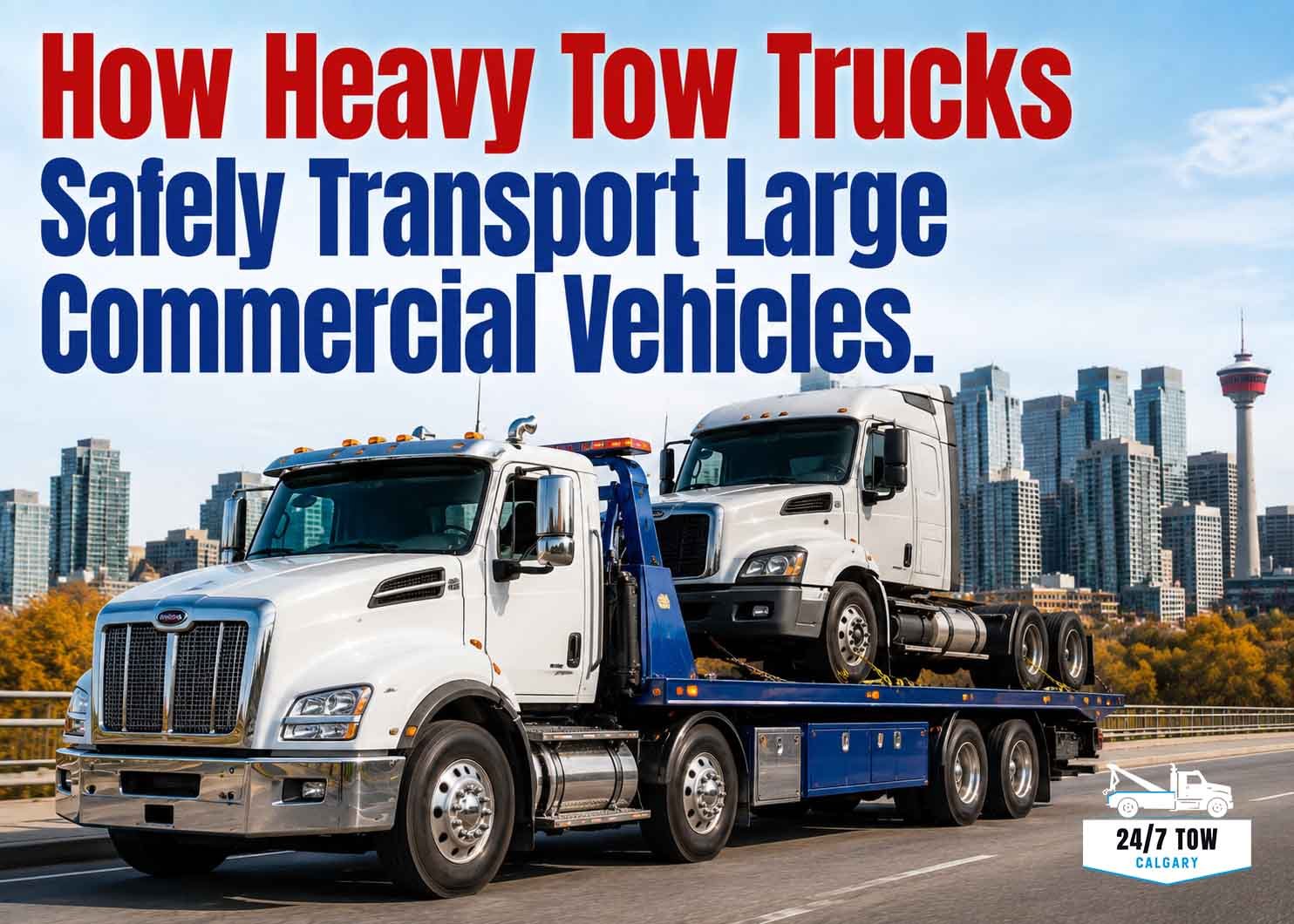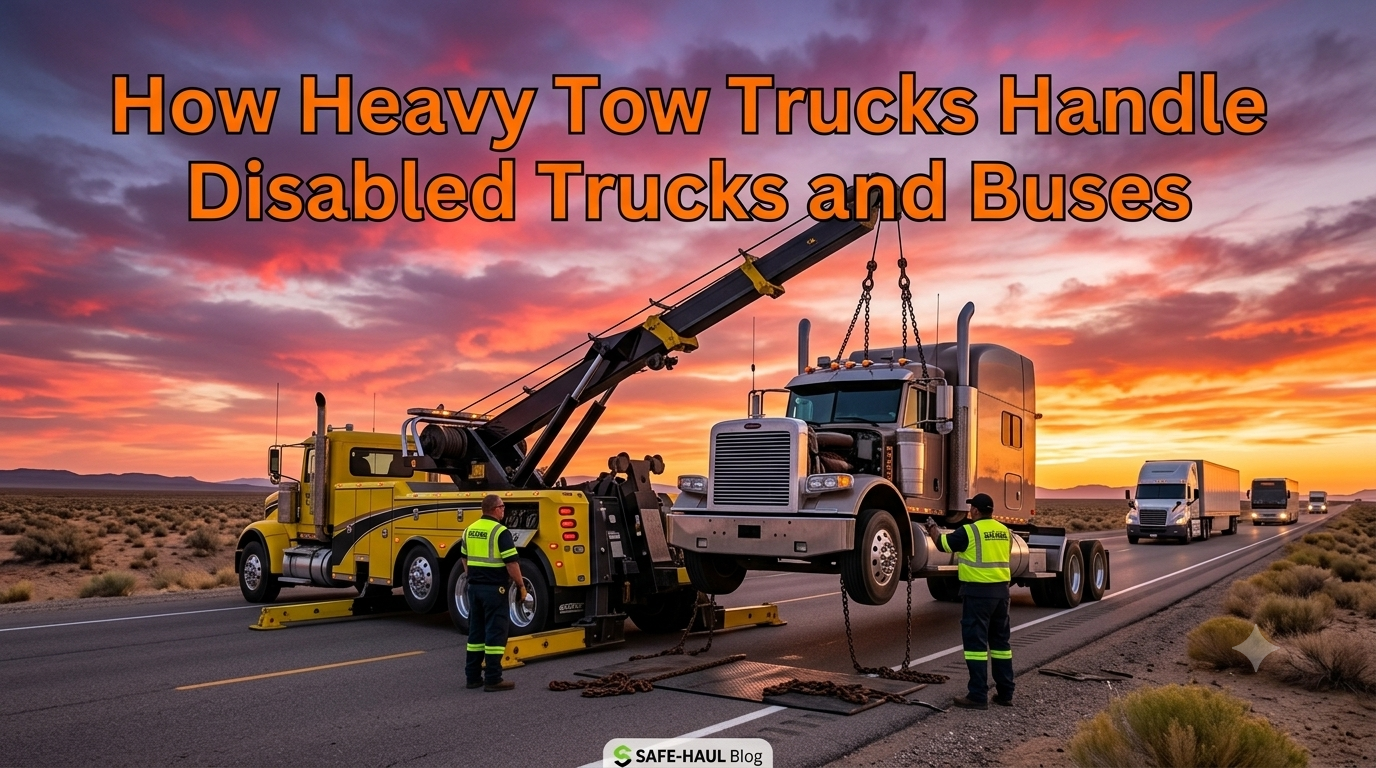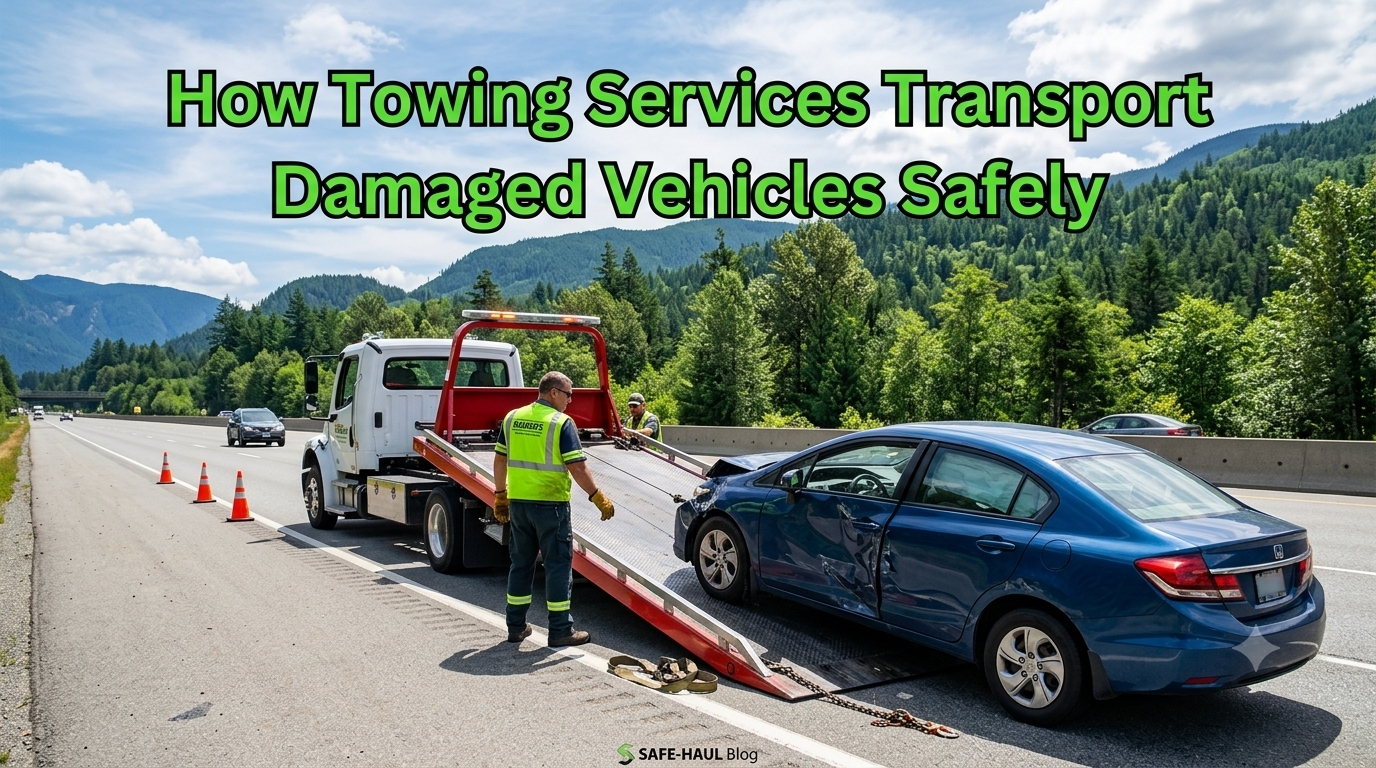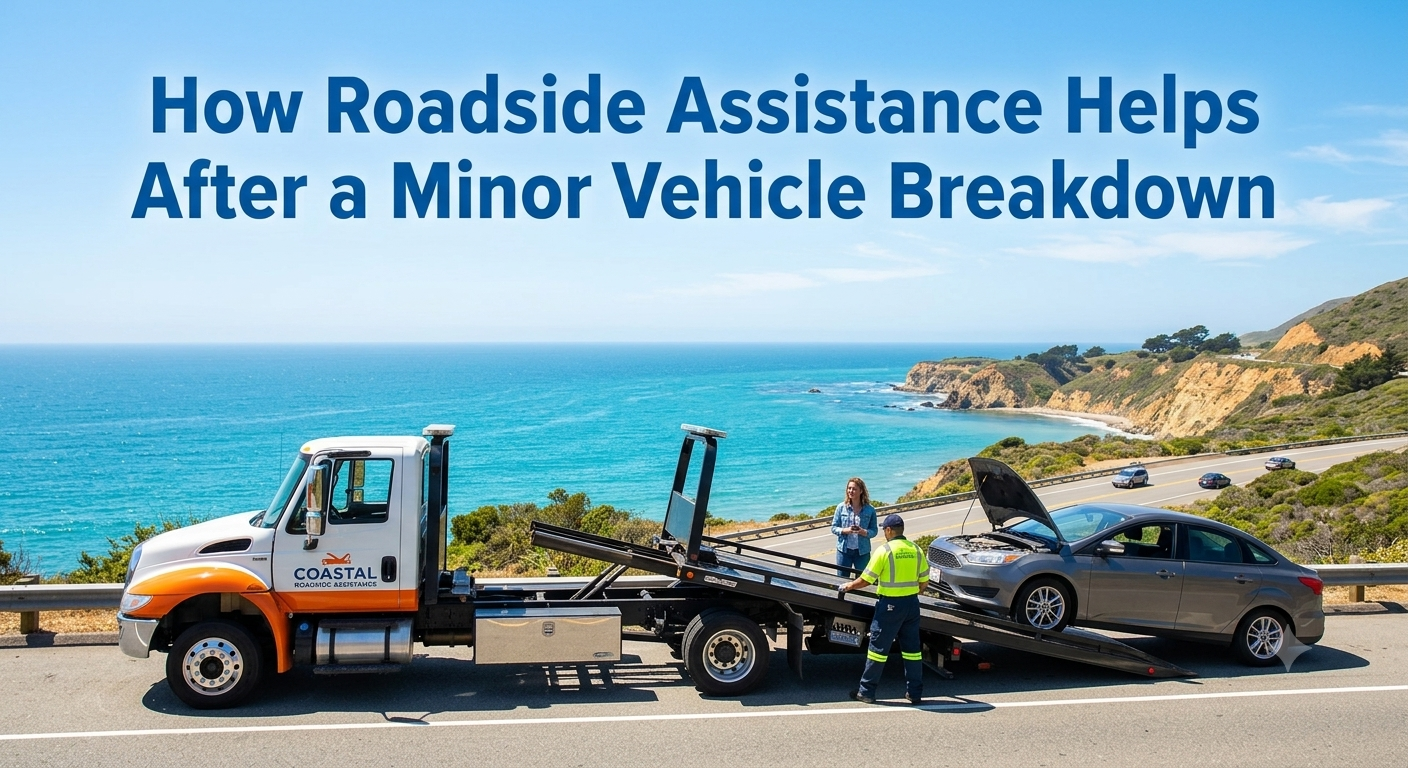


Calgary sits at a crossroads for freight moving across Western Canada. When a truck breaks down on Deerfoot Trail during peak hours, it isn’t just one driver’s problem, it backs up traffic for miles and delays deliveries across the province.
TL;DR: Calgary’s transportation industry runs on trucks, buses, and freight that can’t afford long delays. Heavy tow truck services keep disabled vehicles from turning into bigger supply chain and transit problems. Disabled truck towing and bus towing services both play a direct role in keeping the city’s roads and schedules functional. Commercial vehicle towing works best when fleet operators already know who to call before something breaks down.
Most people notice heavy duty towing only when it’s inconvenient, a lane closed, a bus running late. Few think about how much the industry depends on that recovery happening quickly and correctly.
This guide looks at why heavy duty towing matters at an industry level, not just for the individual driver stuck on the shoulder.
Why Calgary’s Transportation Industry Depends on Fast Recovery
Calgary is a major logistics hub for Alberta, with freight routes running through the city toward British Columbia, Saskatchewan, and south to the US border. A disabled truck on a route like Stoney Trail or Deerfoot doesn’t just affect that one shipment.
Delays ripple outward. A late delivery to a distribution center can push back dozens of smaller deliveries scheduled after it. Multiply that across a city with this much freight traffic, and a single breakdown becomes an industry level problem if it isn’t cleared quickly.
Heavy duty towing exists to shorten that window between breakdown and clearance, protecting schedules that extend well beyond the driver behind the wheel.
The Role of Heavy Tow Truck Services in Freight Movement
Heavy tow truck services do more than move a broken vehicle. They keep lanes open, reduce secondary accident risk from stalled traffic, and get freight back into motion faster than waiting for a standard tow truck that isn’t equipped for the job.
A truck stalled on a single lane bridge or overpass creates a bottleneck fast. The longer it sits, the more traffic stacks up behind it, increasing the chance of a second incident. Fast, capable heavy duty recovery limits that window of risk.
For freight companies specifically, knowing a reliable heavy tow service exists in Calgary means one less variable to worry about when planning routes through the city.
Disabled Truck Towing and Supply Chain Impact
A disabled truck carrying freight isn’t just a vehicle problem, it’s cargo sitting exposed on the roadside until recovery arrives. Perishable goods, time sensitive deliveries, and contracted freight all carry real cost when delayed.
Disabled truck towing needs to account for this. Beyond the mechanical recovery, there’s often a question of what happens to the load, whether it needs to be transferred to another truck, secured on site, or moved along with the disabled vehicle.
Air brake systems, multiple axles, and trailer connections all add complexity that a standard towing call doesn’t have. Getting a disabled truck off the road quickly, and handling the cargo correctly, keeps a single breakdown from becoming a supply chain headache.
Bus Towing Services and Public Transit Reliability
Calgary Transit and private bus operators run on schedules that riders depend on daily. A single disabled bus can throw off an entire route, leaving passengers stranded and downstream schedules pushed back.
Bus towing services need to move fast, but safety comes first. Passengers need to be evacuated before any recovery work starts, especially if the bus broke down somewhere without safe pedestrian access.
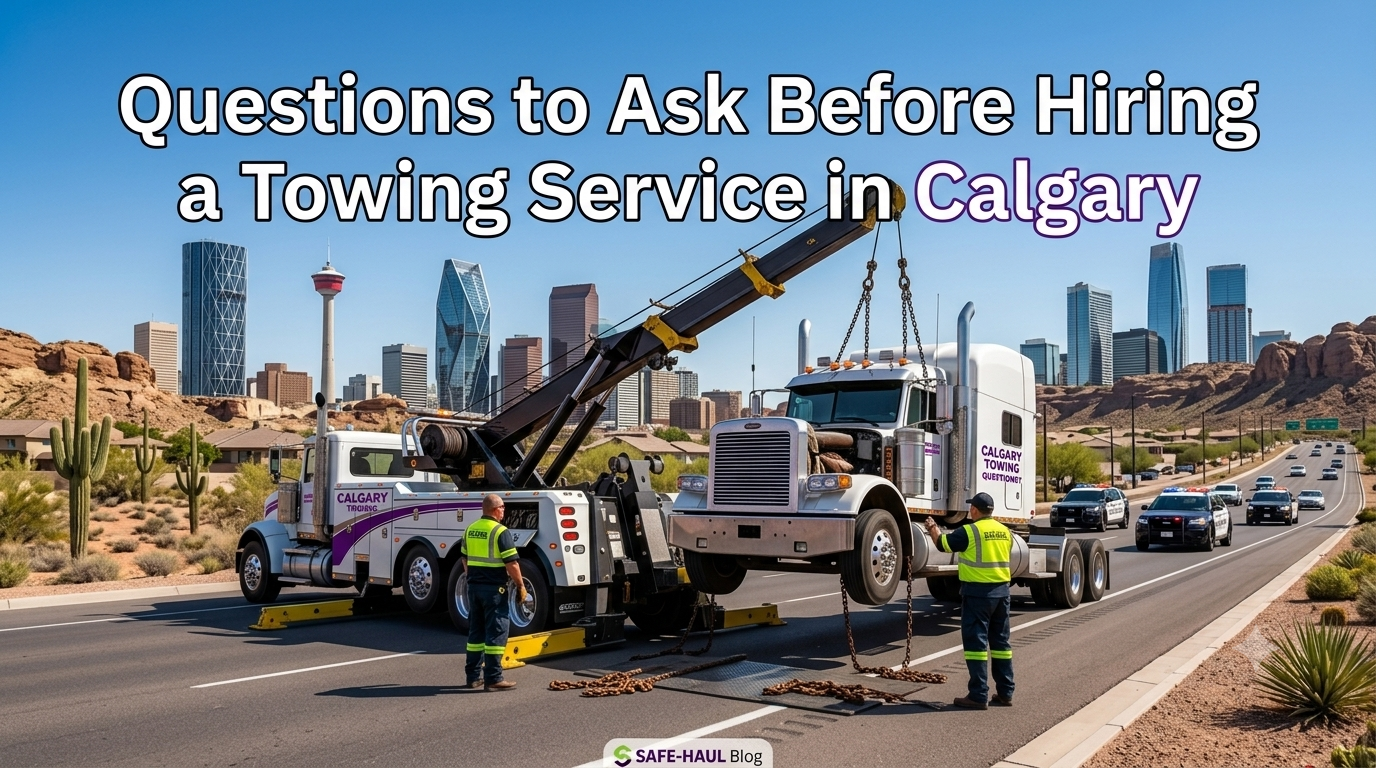
Once passengers are clear, the size and weight of a bus require the same specialized equipment used for disabled trucks, rotators, low loaders, and operators trained in handling large commercial vehicles.
Commercial Vehicle Towing for Fleet Operators
Fleet operators face a different set of pressures than an individual driver. A single breakdown affects not just one vehicle but a route, a delivery schedule, and sometimes a contract with a client expecting on time service.
Commercial vehicle towing works best when a fleet already has a recovery plan in place before something breaks down. That means knowing which towing companies in Calgary run heavy equipment, what their typical response time looks like, and how billing works for commercial accounts.
Waiting until a breakdown happens to figure this out costs time a fleet operator usually can’t afford to lose.
What Businesses Should Look for in a Recovery Partner
Confirmed heavy equipment access. Ask directly whether a company runs wreckers, rotators, and low loaders, not just standard tow trucks.
Fast response on major routes. A fleet needs a company that can reach Deerfoot, Stoney Trail, or Glenmore quickly, since these routes carry the highest freight volume.
Experience with air brake systems. This is non negotiable for any commercial truck recovery.
Clear commercial billing. Fleet operators need predictable, transparent pricing, not surprise invoices after a breakdown.
Coordination with authorities. Recovery on a busy route often requires working with police or traffic control, and a good partner handles that smoothly.
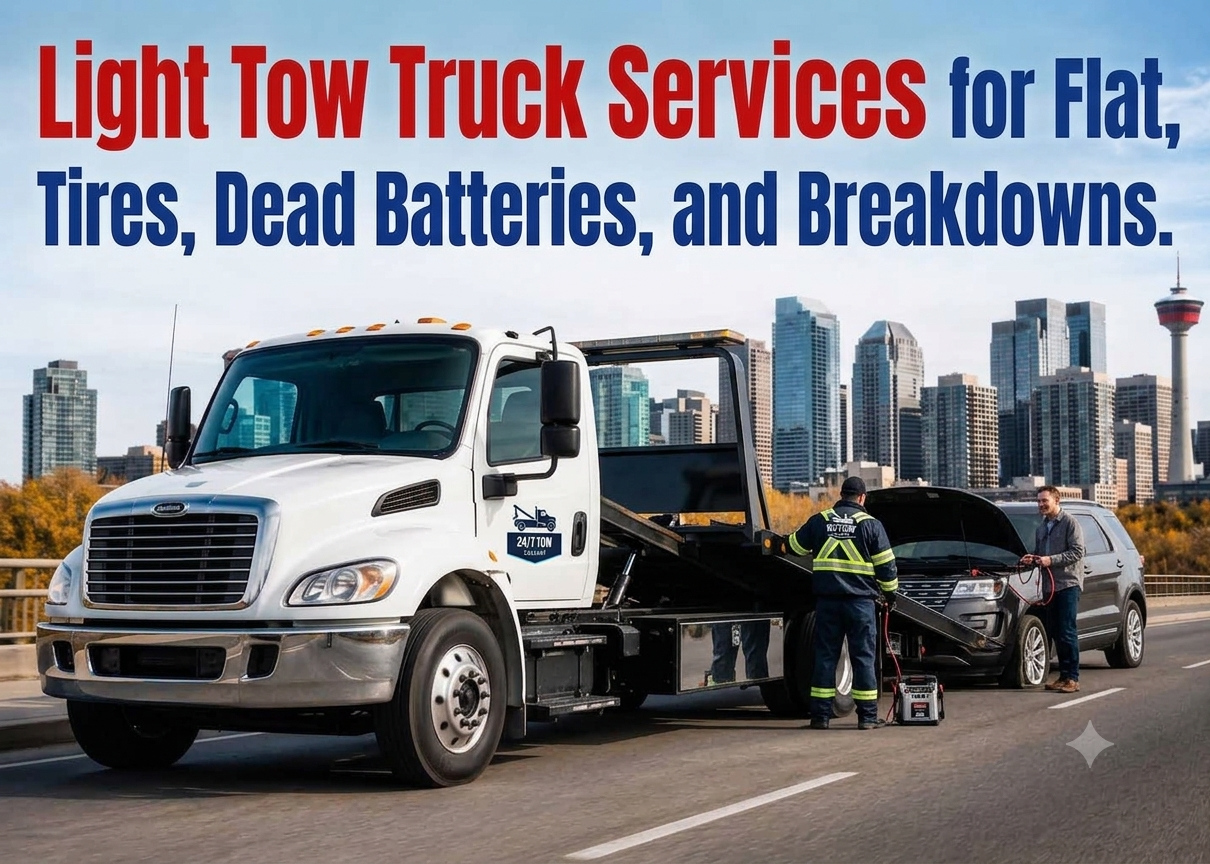
For lighter fleet vehicles, cars, vans, or small trucks used for local delivery, 247 Tow Calgary covers those directly through Light Duty Towing and Long Distance Tow for moves outside the city.
The Cost of Downtime vs the Cost of Towing
A heavy duty tow costs more upfront than a standard one, but the real comparison is against the cost of downtime. A delayed freight shipment, a missed delivery window, or a bus route running an hour behind schedule all carry costs that go beyond the towing bill itself.
For most fleet operators, paying for fast, capable recovery is cheaper in the long run than absorbing the ripple effects of a slow one. This is why many commercial accounts prioritize response time and reliability over the lowest quoted price.
FAQ
Why does one disabled truck cause so much traffic disruption in Calgary?
Major routes like Deerfoot and Stoney Trail carry high freight volume, so a stalled truck blocking even one lane backs up traffic quickly and increases the risk of further incidents.
Do fleet operators need a different towing arrangement than individual drivers?
Often yes. Commercial accounts usually need predictable billing, faster response for freight routes, and confirmed heavy equipment access, which not every towing company offers.
How fast should a heavy tow truck respond to a highway breakdown?
It varies by company and equipment availability, but fleets should confirm expected response times in advance rather than assuming during an emergency.
What happens to cargo when a disabled truck gets towed?
Depending on the situation, cargo may need to be secured on site, transferred to another vehicle, or moved along with the truck. This should be discussed with the towing company ahead of time.
Does Calgary Transit use the same towing services as freight companies?
Not necessarily. Bus towing services require the same heavy equipment but add passenger safety protocols that freight recovery doesn’t need to consider.
Final Thoughts
Calgary’s transportation industry runs on schedules that a single breakdown can throw off for hours, or longer if recovery is slow. Heavy tow truck services keep freight, transit, and commercial routes moving by getting disabled vehicles off the road quickly and safely.
If your business runs lighter vehicles, delivery vans, company cars, or small trucks, 247 Tow Calgary handles those directly with fast, upfront service. Reach out to talk through what your fleet needs.